The design of electricity markets requires that a host of technologies all with differing characteristics are used for generating the same product while integrated into a single system with a degree of liquidity that allows for spontaneous changes in traffic, simultaneously providing equitable opportunity to market actors across each stage in the delivery to effectively capitalise on these arrangements. Where there is an imbalance in generation capacity so that each technology’s mutual support of another’s drawbacks does not adequately satisfy the market, inefficiencies can multiply through capacity being ill-utilised and social welfare- represented in reasonable prices and reasonable company profits- will decrease.
One of the ways that such an imbalance and lack of social welfare can develop is through misallocated market incentives. This is one of the chief concerns of system operators across the globe. First of all, a characterisation of the nature of an effective electricity generation mix of technologies will be outlined so that the importance of market incentives for correcting and maintaining these aspects of an electricity system can then be delved into.
The benefits of a capacity mix
An example of balance between different generation technologies can be seen in the use of natural gas CCGT and wind turbines alongside each other: the low start-up costs and linear variable cost of CCGT plants make them good for small amounts of demand. When used in abundance, though, they drive electricity prices up as generation output and gas fuel input increase. This makes it sensible to have non-linear marginal cost generation like wind turbines online for a larger portion of demand so that prices can be kept flat for a certain baseload of electricity usage.
Conversely, where intermittency restricts low marginal cost generators from adequately meeting demand, or the demand is too high to be met by such non-dispatchable (i.e. fuel independent) generation units at a given point in time, capacity that is readily available and dispatchable gets put into use. This is where fuel-dependent units like CCGT have an important role to play.
This integration of dispatchable generation like CCGT to top up supply during peak demand hours often gets incentivised through a bespoke market mechanism designed to contract on-demand generation output at such periods of system stress. This is known as a capacity market and it works by ensuring that the most efficient mixture of resources are being employed without excess cannibalisation of prices between generators. The reason that an oversaturation of the market cannot be allowed is because this cannibalising reduction in price, when taken too far, can unpick the viability of investment cases for developers of assets that contribute as load-serving entities.
As electricity systems developed and the regulations determining their operation attempted to keep up, it became increasingly obvious to acknowledge the importance of having a system with planned capacity volumes and characteristics so that market forces left to themselves would not incentivise high scarcity pricing in order to retain profits.
This scarcity pricing situation can often occur in the Texas ERCOT system which relies on scarcity pricing as a major investment signal as (reasonably) conservative investment delays- taken on the observed basis of grid congestions stemming from a regulatory overreliance on merchant actor coordination and their risk-averse gravitation toward capitalising on the inherent scarcity pricing associated with such congestions- can lead to relatively high price volatility in this particular market. Effective coordination with centrally planned, tariff-funded capacity development tied to reasonable strike prices allows for a more consumer-facing, long-term, and secure approach to electricity system development that remains conscious of the need for a well-conceived generation mix at predictable prices.
Demand-side response and the market signals given it
While it is desirable from a liberalising point of view to seek the guardianship of market forces over power systems, there is no doubt that regulatory guidance is necessary to create a modern and well-functioning power system for long-term use. The regulations that are put in place have to be carefully coordinated, however, due to the interdependency of the system. This is because outside interference can create market signals that disturb other functioning aspects of the market. The nature of a power system and the market that is created through the regulatory regime directing it can be highly varied between different countries with unique energy profiles.
As the electricity system is an interwoven collection of assets there is a unique need for close supervision of the introduction of new capacity in addition to ensuring that the grid itself is in a position to effectively handle the convergence of the various units in a way that facilitates trading deliverable liquidity of electricity supply without undermining competition or consumers across the different market segments. We have seen how certain mutually complementary generation characteristics can enhance this, yet the market incentives that are implemented to provide this result can lead to issues of their own. This is the case with one of the key pillars that ensure such a system can operate effectively- demand-side response (DSR).
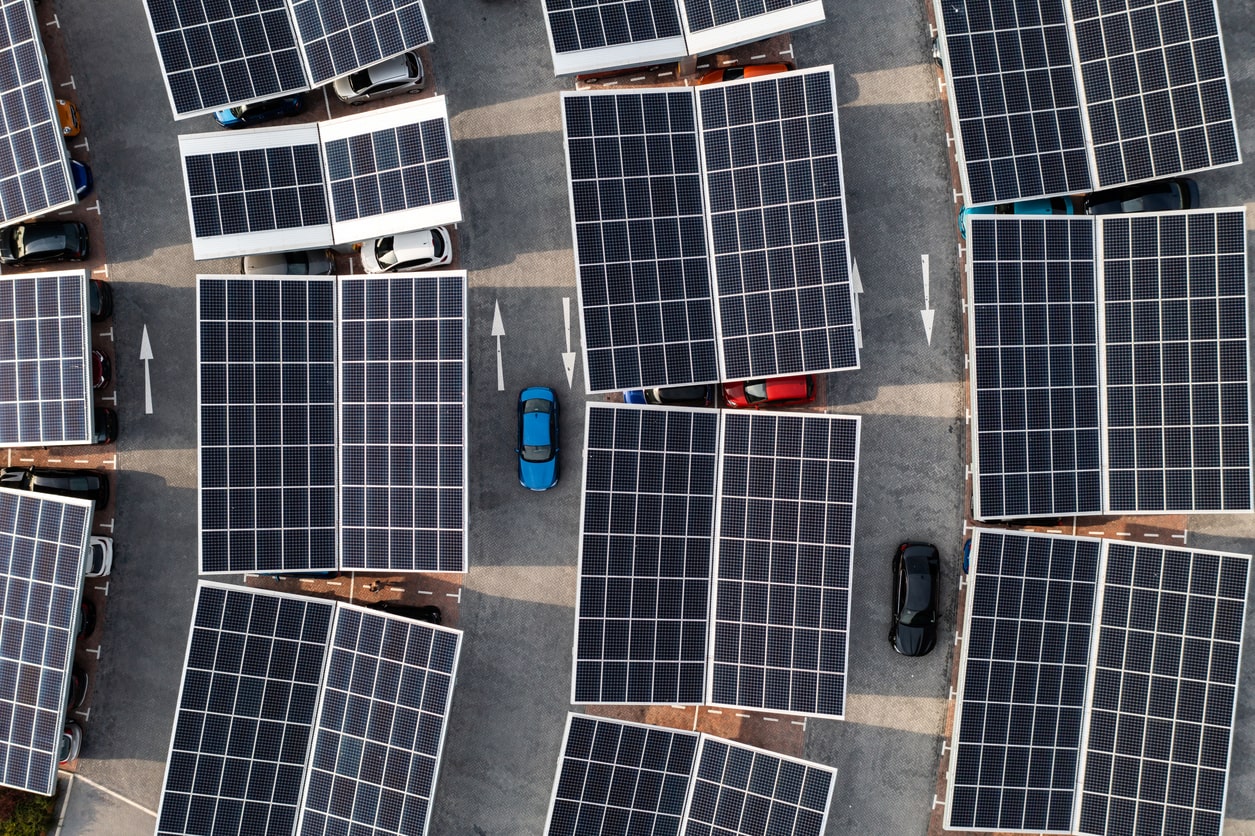
DSR covers technologies such as solar PV and battery energy storage systems which can respond to market price signals through their inherent flexibility. What this means is that where electricity prices are high, both domestic and commercial DSR users can sell power to the grid, or utilise net-metering, which is essentially the same, and make or save money to reinvest either in charging batteries back up or reducing future electricity bills. Existing market incentives for DSR has led to it becoming a valuable asset class with a great deal of take-up over recent years, largely due to the balancing services that it plays across the grid. These services reduce system traffic and therefore ease the burden on national infrastructure.
In the case of Britain a significant new policy development relating to DSR has been recently introduced: The New Homes (Solar Generation) Bill now mandates that all new build homes must have solar panels installed on them. This legislation is in part a response to public and industry consultations that show support for such a policy, as well as recent studies commissioned that show how solar panels can save £300 per year on tariffs for a home. The way that this money is saved is because self-generation of electricity reduces the need for distribution of load-serving electricity supply to the home that has the asset. Much of the money being saved in this case relates to the reduction in use of the local electricity distribution network, which we will get to shortly.
While this policy can make sense from an individual homeowner’s standpoint as well as potentially from the perspective of achieving net-zero targets, it makes less sense as a major policy proposition where the same power distribution infrastructure that runs to every connected building in the country is not being used to the same extent by many that have the resources to avoid it. The ramifications for inequitable socio-economic price signals developing are significant once this policy develops significant scale. The reason for bringing this point to attention is because of the resulting fixed charge increases to electricity tariffs that would be the logical consequence to such a potentially significant policy design- an inequitable result to a well-intentioned policy.
The reason this situation may come about is because the sunk costs associated with setting up and maintaining distribution infrastructure are charged to consumers in a way that takes account of the amount of grid electricity that gets used. These are known as distribution use of system charges (DUoS) and they make up around 17% of a domestic consumer’s energy bill. This charge has three different settings depending on the grid congestion typical to a certain point in the daily energy time cycle. Where this charge is only partially made up of a fixed fee while the other major element of it is tied to amount of network usage, there is a clear market signal incentivising decreased demand placed on the grid, and therefore consequently a positive incentive toward installation of these kinds of technologies.
This current state of affairs with electricity tariffs means that a fixed charge is levied against both domestic and commercial consumers alike whether possessing DSR assets or not. The character and level of the charge for DSR users does depends in part on which technology is being used as well as how it is employed. Users such as domestic solar module owners and commercial battery operators may be able to profit or save money from their flexibility by importing or using electricity during off-peak hours where lower DUoS charges reduce overall prices, to then export or reduce usage once prices are higher. This is dampened by DUoS charges for such flexibility units increasingly being based on capacity rather than network usage, however the point remains that flexibility is an advantageous market asset within modern power systems for those who can leverage them as the positive market signal associated with avoiding some part of the DUoS charge influences behaviour.
Considerations of tariff equity
The problem therefore arises from a tariff equity and long-term system perspective where the incentives that DSR benefits from, interfere with the sufficient funding of public infrastructure like the grid. Implementing a policy to leverage further flexibility into the market will mean that these conversations have to be fast approaching our attention.
The problems may start to crop up further down the road, as those without DSR face a growing proportion of sunk costs applied to their tariffs that can be evaded with the utilisation of DSR. If more and more people adopt this technology, then the tariff system will most definitely need to be changed in order to retrieve those costs. This would most easily come through the reduction of tariff-based positive market signals to DSR. This would of course damage the viability for people to invest in and adopt these technologies, which as mentioned are key to a liquid grid and the development of resilience between load-serving technologies.
The alternative that may come into play over the course of the next few years, at least after these initial REMA results come out, is that DUoS charges will be incorporated into a more general charge such as taxation. This will become increasingly viable as the electrification of society expands but it does also pose problems regarding efficient tariff allocation as many in society will not use the equal amounts of electricity. The maintenance of an independent and competitive regulatory environment for electricity generation and consumption may also come into harm’s way with the expansion of electricity tariffs into a realm beyond measurable behind-the-meter readings and into that of the more general levy. Tariff reforms have been developed in recent years already, with suppliers offering time-of-use tariffs that change price depending on peak/off-peak usage. The issue with this is that many people are unable to take advantage of such an arrangement. The easiest solutions are therefore also potentially the most inefficient and inequitable.
Flexibility resources like domestic and commercial DSR can ease congestion of the grid by ensuring that power is flowing through it at more convenient times for the infrastructural constraints within the grid system. This is reflected in the tiered DUoS charges previously mentioned, making the role played by DSR highly valuable in balancing the grid, ensuring there is less generation curtailment, and bringing power closer to demand centres at times of peak system stress. At the same time as potentially causing a problem with tariffs there are clear benefits to the durability of network infrastructure from having DSR units reduce stress of high traffic on the network. The balance that these services provide to the grid is easy to see. This is the reason there are such positive market signals for these assets as they can improve the viability of grid infrastructural developments during this period of massive upheaval for the electricity system. However, with the increasing electrification and DSR-enablement of society at large, there is a corresponding decentralisation of electricity generation and storage capabilities that leaves the increasingly large sunk cost of grid expansion and maintenance with a charge that will be difficult to deliver efficiently.